
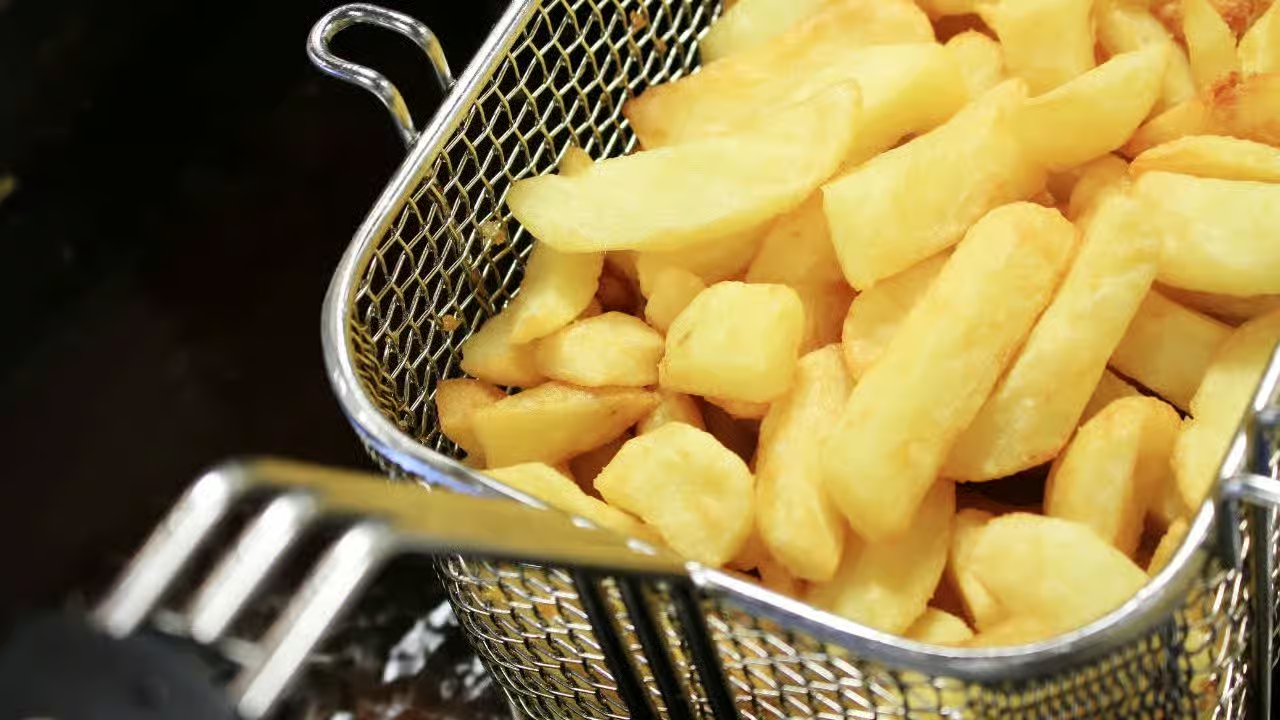
Deep frying is a culinary technique that has been celebrated for centuries, delivering crispy textures and rich flavors to a wide array of foods. Achieving consistent results in deep frying requires more than just submerging food in hot oil; it demands an understanding of the essentials that govern this cooking method. Mastering these fundamentals can transform your kitchen endeavors into delightful experiences marked by perfectly golden-brown exteriors and moist, flavorful interiors.
At the heart of deep frying is temperature control. The ideal range for most deep-fried foods lies between 350°F and 375°F (175°C to 190°C). Maintaining this temperature ensures that the food cooks quickly, forming a crisp crust while preventing excessive oil absorption. A reliable thermometer is indispensable in achieving precise heat levels. Fluctuations in temperature can lead to soggy or burnt outcomes, thus underscoring the importance of monitoring heat consistently throughout the cooking process.
Equally crucial is choosing the right type of oil. Oils with high smoke points such as peanut, canola, or sunflower are preferred due to their ability to withstand high temperatures without breaking down or imparting unwanted flavors. These oils contribute not only to texture but also play a role in flavor development, making them essential components in mastering Deep frying essentials.
The preparation of ingredients before they meet hot oil cannot be overlooked either. Ensuring uniformity in size allows for even cooking and prevents undercooked centers or overcooked edges. Additionally, removing excess moisture from food items through thorough drying helps achieve better browning and reduces splattering when introduced into hot oil.
Another critical aspect involves understanding batter consistency if used during frying. Whether it’s a light tempura or thicker beer batter, achieving the right viscosity ensures optimal adhesion without becoming overly greasy once cooked. Experimentation with different batters can yield varied textures and flavors but maintaining balance remains key to successful outcomes.
Furthermore, overcrowding should be avoided at all costs during frying sessions. Placing too many items into the fryer simultaneously causes drastic drops in temperature leading to unevenly cooked batches soaked with unnecessary amounts of grease instead of being crisped properly on contact with hot surfaces alone – hence patience pays off handsomely here!
Finally yet importantly comes draining: Once removed from their oily bath each item deserves proper resting time atop wire racks lined beneath paper towels allowing residual fats escape freely ensuring ultimate crunchiness prevails unhampered by lingering greasiness post-cooking phase completion – thus sealing deal towards delectable perfection attained via diligent attention paid toward every detail involved therein!
